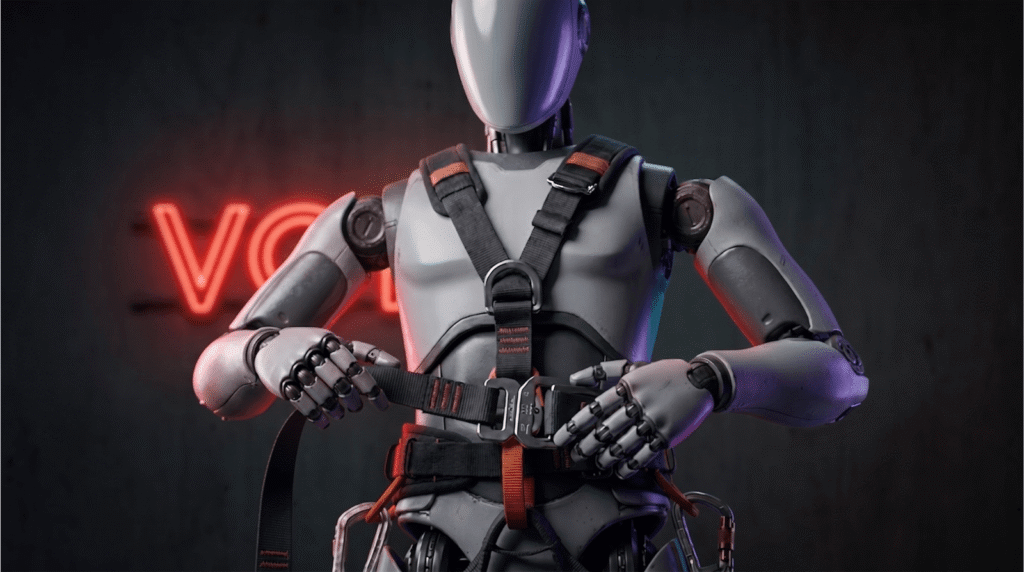
Reliability engineering and security governance are the same machinery, wearing two hats.
Microsoft’s identity chief, Joy Chik, gave the cleanest version of where enterprise security is heading with AI agents: treat every agent as a first-class identity, and govern it with the same rigor as a human one. Inventory them. Assign an owner. Scope what they can touch. She even calls agent sprawl the new shadow IT.
She’s right, and if you remember nothing else, remember that. An ungoverned agent is a stranger with your keys, working while you sleep.
But I’d push the idea one step further. Identity tells you who an agent is. It doesn’t tell you what it’s allowed to do, moment to moment, at machine speed. And that’s where the real governance lives… not in the login, but in the layer that runs the agent.
Monday I called that layer the harness. Here’s the part worth noticing: the harness you build to make an agent reliable is the same place you govern it. The tools it can call? That’s least privilege. The checks it has to pass before it acts? That’s policy. The record of everything it did? That’s your audit trail.
Reliability engineering and security governance turn out to be the same machinery, wearing two hats. We’ve just been funding them as two budgets.
So don’t stand up a separate “AI governance” program bolted on the side. Govern where the agent actually runs. The control plane isn’t a new product you buy. It’s the harness you were already building. Build it once. Govern there.