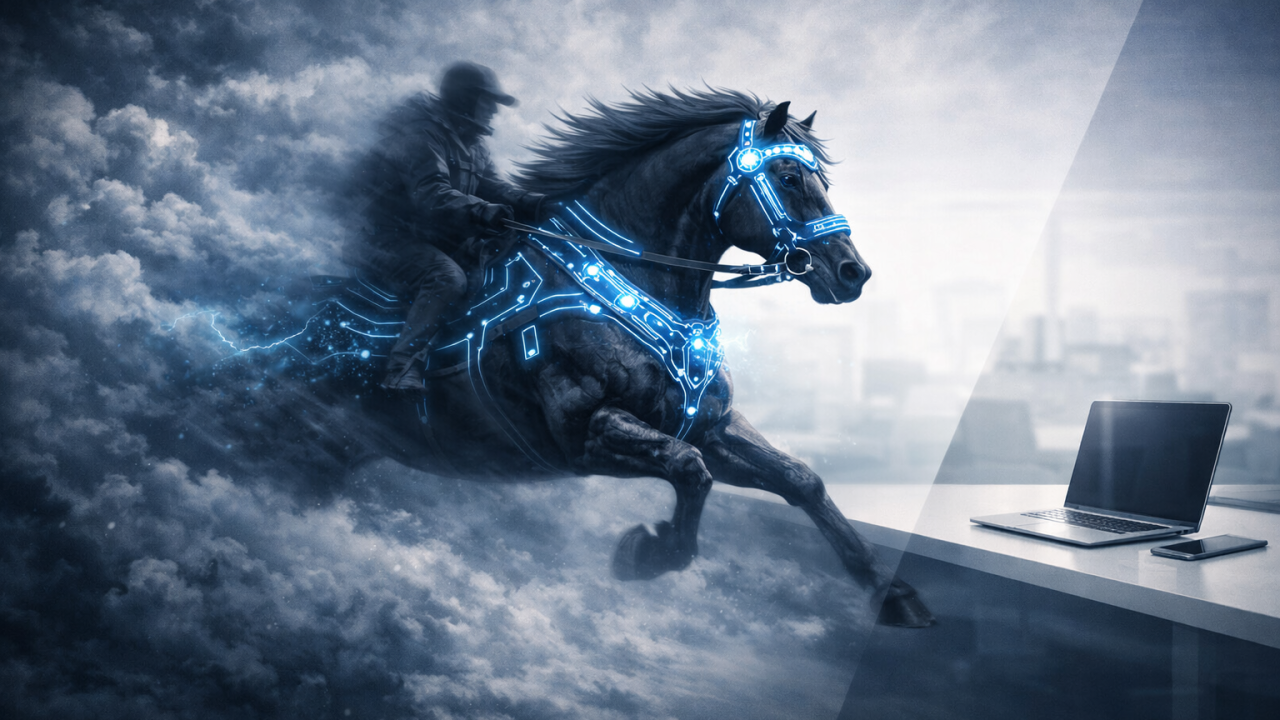
Every powerful technology becomes useful only once we build the control layer around it.
A reframing of AI agents that’s stuck with me. Max, an engineer writing at rmax.ai, puts it plainly: in 2026, what makes an agent reliable usually isn’t a better model. It’s the harness around it.
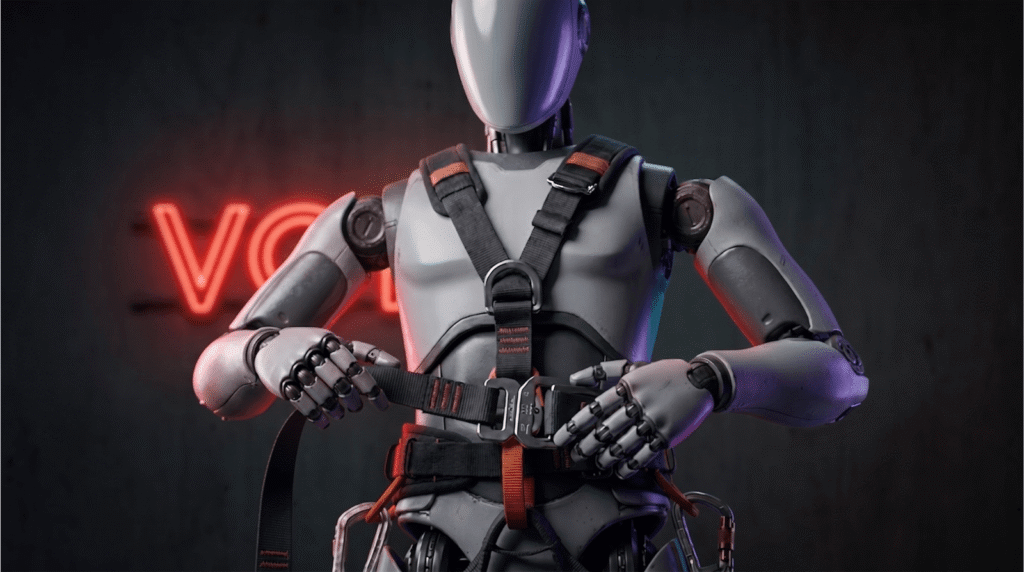
So what’s a harness? Strip the jargon. The model is the engine: powerful, fast, and on its own, a little wild. The harness is everything you build around it so that power is usable. The steering, the brakes, the dashboard, the seatbelt. The rules it has to follow. The checks that catch it when it’s wrong. The record of what it did.
He has the receipts. One coding agent jumped from 53 to 66 on a standard test without changing the model at all. Same engine. Better harness.
And here’s the pattern that matters. We’ve done this before. Every powerful technology starts out thrilling and unreliable, and becomes useful only once we build the control layer around it. The engine needed the chassis and the brakes. Electricity needed fuses and circuit breakers. The early web needed the browser and a security stack bolted on after. The exciting part gets the headlines. The control layer does the real work.
AI agents are at exactly that moment. Building an agent got easy. Making one reliable, safe, and predictable… that’s the hard part, and it doesn’t live in the model. It lives in the harness around it.
The magic gets you a demo. The harness gets you something you can trust.