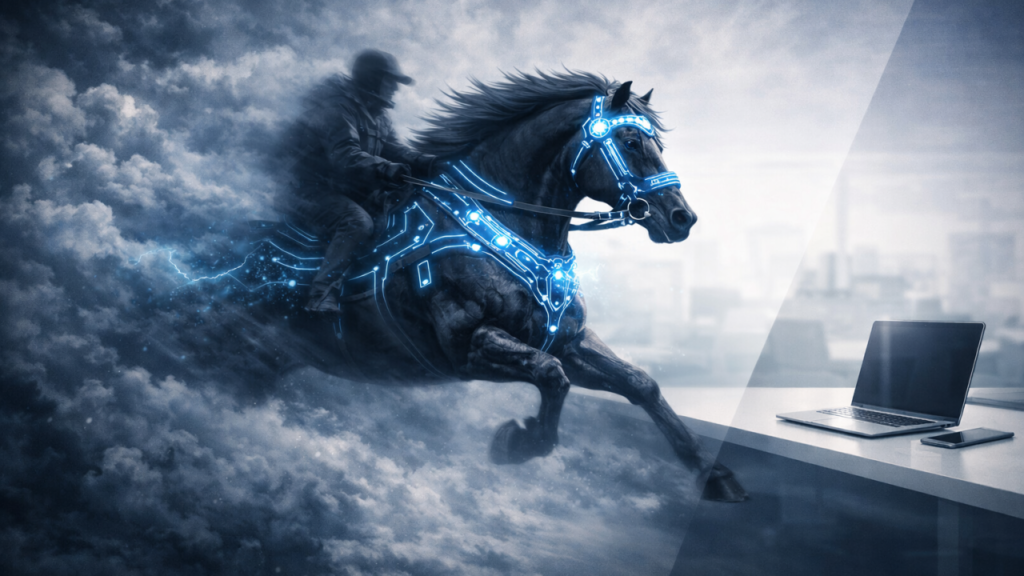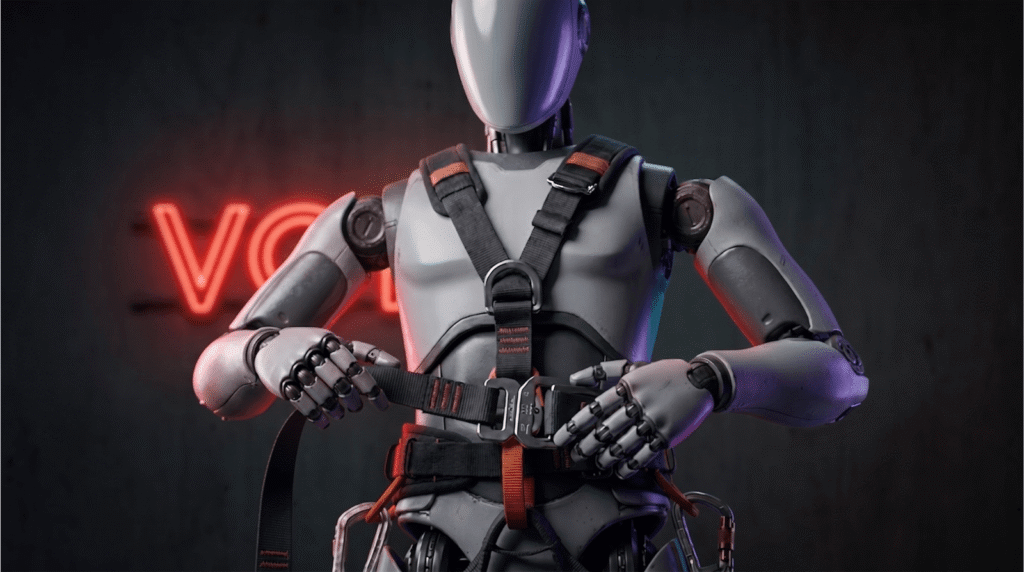
A brilliant model in a flimsy harness is how you wipe a drive.
Temporal’s Melanie Warrick has a line that stuck with me. On the Google Antigravity agent that was asked to clear a cache and wiped the user’s entire drive instead: “The intelligence was there. The resilience was not.”
Her argument: we’re pouring everything into one half of AI reliability. Better models, better guardrails, better benchmarks. And largely ignoring the other half… what happens when a ten-step workflow dies on step six. Even at 85% per step, ten steps end-to-end succeed about a fifth of the time. That compounding is a systems problem, not a smarter-model problem.
I’d frame it a little differently, and the both/and is the point. The model is probabilistic by design. That’s not a defect to train away. It’s the source of the reasoning we actually want. You don’t make a probabilistic core reliable by polishing it. You make it reliable by wrapping it in a deterministic harness: checkpoints, schemas, idempotent steps, bounded retries, an allowlist that holds.
Probabilistic on the inside. Deterministic at the edges. The skill is knowing which layer owns which job. Let the model be creative. Make the harness boring and strict.
And the part I’d underline: none of that harness is new. Durable execution, idempotency, retries with backoff. That’s distributed-systems discipline we’ve had for years. Reinventing it for AI is a plan to fail.
A brilliant model in a flimsy harness is how you wipe a drive. The fix isn’t a smarter agent. It’s a sturdier frame. Both halves, or neither.